
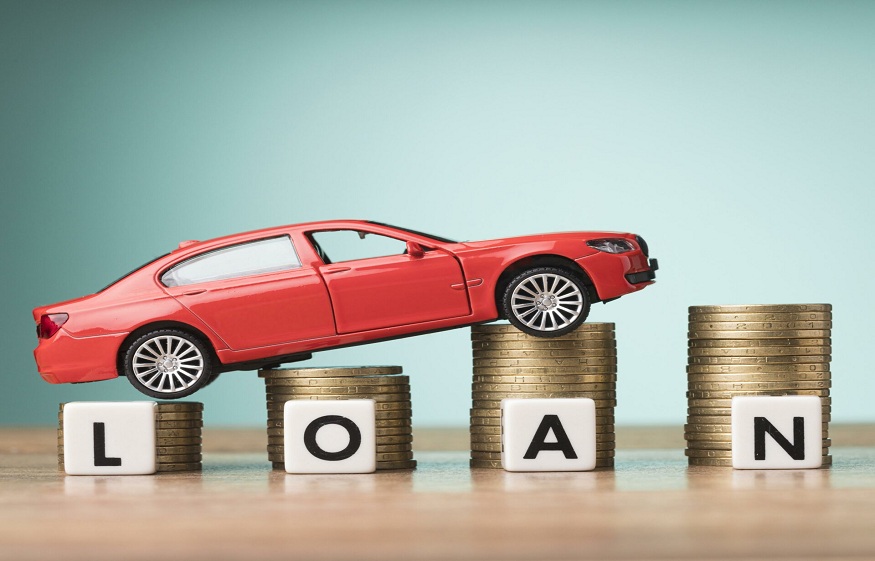
Owning a vehicle today is not just about convenience—it’s about freedom, reliability, and financial independence. From daily commutes to family trips, vehicles have become an essential part of modern life. Yet, the rising cost of cars, bikes, and electric vehicles can make ownership seem distant for many. That’s where a vehicle loan bridges the gap, making mobility accessible to people across different income levels.
Understanding Vehicle Loans
A vehicle loan is a type of secured loan that allows you to purchase a car, bike, or commercial vehicle by paying in instalments instead of one large sum. The lender pays the vehicle’s price to the dealer, and you repay the lender over time with interest.
Unlike saving for years or compromising on a smaller purchase, a vehicle loan lets you buy now and pay gradually, turning aspiration into reality. It’s one of the fastest-growing credit categories in India, supported by banks, NBFCs, and new-age fintech players that make the process easier than ever.
The Growing Appeal of Vehicle Loans
Rising Mobility Needs
Urbanisation, job shifts, and longer commutes have pushed millions to seek personal transport solutions. With the expansion of public road networks and digital financing platforms, vehicle loans are now accessible to first-time buyers in both cities and small towns.
Affordable Financing Options
Competition among lenders has made borrowing more affordable. From flexible EMIs to special festival discounts, financial institutions are constantly innovating to attract new borrowers. Even electric vehicles now come with dedicated green loan options at lower interest rates.
Fast and Paperless Approvals
What used to take weeks can now be done in hours. Most banks and NBFCs offer instant approvals through online portals and mobile apps. Once you fill in basic details, upload KYC documents, and verify your credit score, loan sanction often happens within 24 hours.
How Vehicle Loans Fit Different Budgets
Tailored Financing
Lenders today understand that every borrower’s financial profile is unique. Whether you’re a salaried professional buying your first scooter or an entrepreneur investing in a delivery van, customised vehicle loan products exist for each use case.
Some lenders finance up to 100% of the on-road price, while others offer partial financing depending on credit score and income stability.
Flexible Tenures
Repayment terms typically range from 12 months to 7 years. Shorter tenures help you save on interest, while longer ones keep EMIs light. Many borrowers start with longer tenures and prepay early once their income increases—most lenders now allow this without heavy penalties.
Interest Rate Variations
Interest rates for vehicle loans depend on multiple factors:
- Credit score and repayment history
- Type of vehicle (two-wheeler, four-wheeler, or commercial)
- Employment status and income level
- Relationship with the lender
A strong credit profile often attracts rates as low as 8% per annum, while others may pay slightly more. Always compare lenders before applying.
The Broader Economic and Social Impact
Stimulating the Automotive Sector
The growth of vehicle financing has directly boosted India’s automobile industry. With easier access to credit, car and bike sales continue to climb year after year. This growth extends to ancillary sectors like auto parts, servicing, insurance, and fuel—creating a ripple effect throughout the economy.
Encouraging Entrepreneurship
An auto loan can be more than just personal convenience—it can be a tool for livelihood. Many small business owners, cab drivers, and delivery executives depend on vehicle loans to build their careers. Financing platforms now offer special packages for self-employed individuals with minimal documentation, helping them generate income from day one.
Enhancing Rural Mobility
In rural India, where public transport options are limited, vehicle ownership can change lives. Farmers, traders, and small entrepreneurs use vehicle loans to buy tractors, pickup trucks, and two-wheelers, improving access to markets and services. This financial inclusion strengthens local economies.
Navigating the Vehicle Loan Process
Eligibility Criteria
Most banks and NBFCs maintain similar eligibility standards:
- Applicant must be at least 21 years old
- Should have a stable source of income (salary or business)
- Must hold a valid driving licence and basic KYC documents
- Credit score ideally above 700 for faster approval and better rates
For self-employed applicants, lenders may consider income tax returns or business turnover records as proof of income.
Documentation Checklist
To streamline the loan process, keep these ready:
- Identity proof (Aadhaar, PAN, or Passport)
- Address proof (utility bill, rental agreement)
- Income proof (salary slips or IT returns)
- Bank statements for the last 3–6 months
- Vehicle quotation or proforma invoice from the dealer
Some lenders also request photographs and signature verification.
The Application Journey
- Compare Offers: Visit official websites or aggregator portals to review interest rates, tenures, and EMI structures.
- Calculate EMI: Use online calculators to estimate how much you’ll repay monthly.
- Submit Application: Apply directly online or through the dealer’s finance desk.
- Verification and Sanction: Once documents are verified and credit checked, the loan gets approved.
- Disbursal: The amount is sent directly to the vehicle dealer, and you take delivery of your new ride.
Common Challenges and How to Overcome Them
High Interest for New Borrowers
First-time borrowers often face slightly higher rates. To offset this, maintain a clean credit record and consider adding a co-applicant. You can also improve your eligibility by paying a larger down payment.
Managing EMI Commitments
Missing EMIs can damage your credit score. Automate your payments through ECS or bank mandates to avoid late fees. If cash flow becomes tight, speak to your lender early—many now offer temporary restructuring options.
Additional Costs
Processing fees, insurance premiums, and road taxes can increase your initial expense. Factor these into your total loan amount before signing the agreement.
Tips for Smart Borrowing
- Check Your Credit Score: Aim for 700+ before applying to unlock better rates.
- Avoid Over-Borrowing: Keep EMIs below 30–35% of your monthly income.
- Compare Multiple Lenders: Don’t settle for the first offer—small differences save big in the long run.
- Read the Fine Print: Understand prepayment terms, foreclosure fees, and hidden charges.
- Negotiate: If you’re an existing bank customer, ask for preferential rates or waived fees.
Embracing Digital Convenience
The new wave of digital vehicle loans has transformed how Indians buy vehicles. Many lenders now offer paperless approvals, video verification, e-signatures, and instant disbursal directly to dealers. Borrowers can track repayment schedules, check statements, or even close loans through mobile apps.
For electric vehicle buyers, several banks have introduced EV-specific loans with longer tenures, lower interest, and incentives to promote sustainable mobility.
Conclusion: Driving Financial Empowerment
A vehicle loan is more than just a financing tool—it’s a gateway to freedom, opportunity, and progress. It enables individuals to chase careers, expand businesses, and improve their quality of life, regardless of budget constraints.
As you plan your next purchase, remember that the smartest loan isn’t always the largest—it’s the one that fits your needs without burdening your future. Compare, calculate, and choose wisely. With responsible borrowing and timely repayment, your new vehicle won’t just be a mode of transport; it’ll be a symbol of your independence and financial growth.